
Delaware and the 250th Anniversary: The First State Celebrates National Milestones
By David Cardillo, Digital Collections and Preservation
As America celebrates its 250th birthday this year—also known as the Semiquincentennial—communities across the country are marking the occasion with events that began well before Independence Day and will continue throughout the year. After all, 250 years of history, innovation and progress cannot be celebrated in a single day.
During the past century alone, the United States has witnessed remarkable milestones, from the commercialization of air travel and the dawn of space exploration to the admission of Alaska and Hawaii as the nation’s 49th and 50th states. Technological advances—including computers, the internet and smartphones—have transformed nearly every aspect of daily life.
But what did Americans celebrate 100 years ago during the nation’s Sesquicentennial?
The University of Delaware Library’s Digital Collections and Preservation department has digitized A Pictorial Record of the Sesqui-Centennial International Exposition, featuring photographs from the world’s fair held in Philadelphia from June 1 through Dec. 1, 1926. The volume is part of the Special Collections Print Materials digital collection and offers a fascinating glimpse into how Americans viewed innovation, culture and history a century ago.
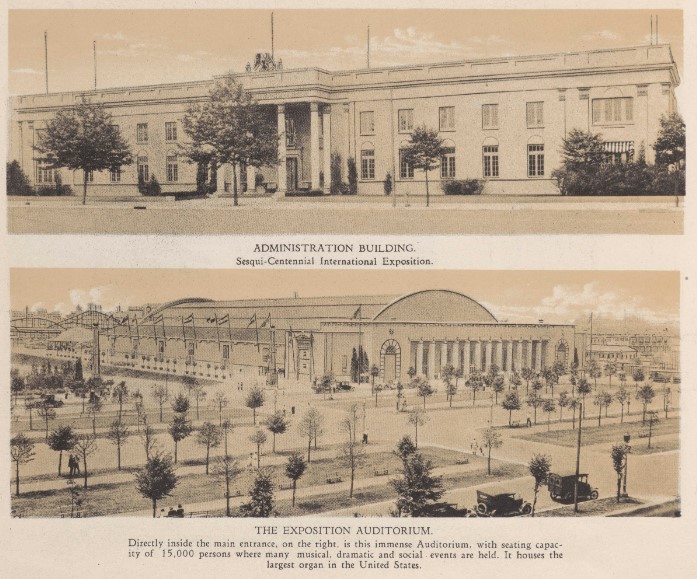
The exposition was enormous. It featured its own Administration Building, a massive auditorium with seating for 15,000 people and what was then the largest organ in the United States.
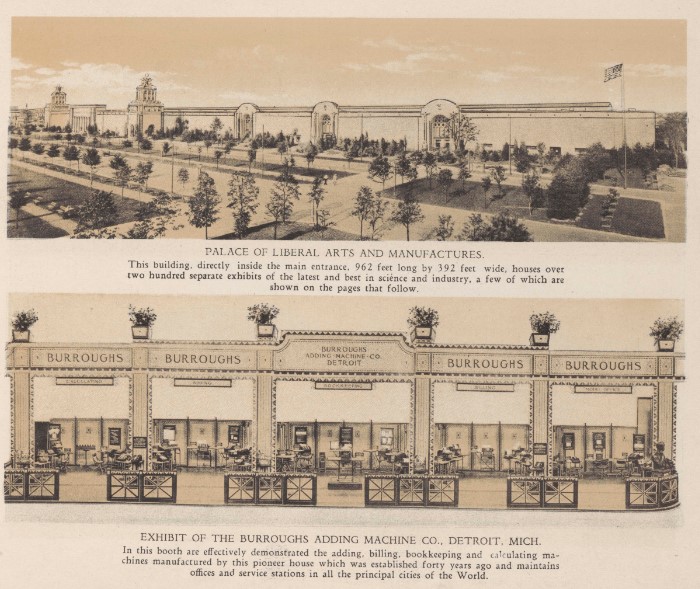
Science and technology were among the exposition’s biggest attractions. The Palace of Liberal Arts and Manufactures housed more than 200 exhibits showcasing the latest innovations. One featured the Burroughs Adding Machine, a mechanical calculator roughly the size of a thick laptop that represented cutting-edge business technology at the time.
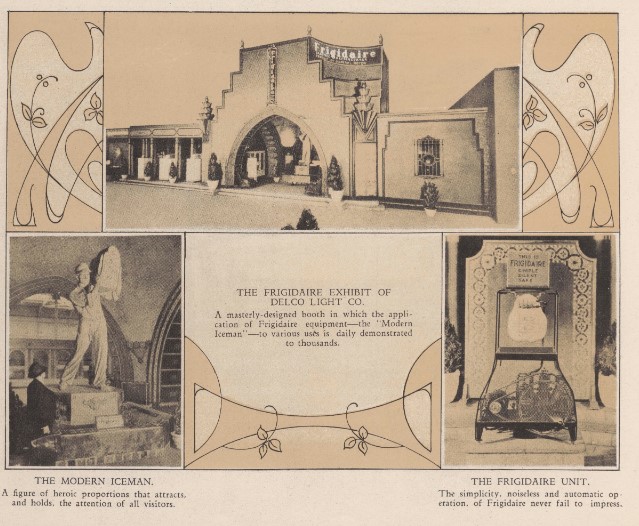
Home technology was evolving as well. Refrigeration was still relatively new, although it looked much different than today’s appliances. Early systems often housed the mechanical components outdoors or in a basement, with cooling lines connected to a large insulated icebox inside the home.
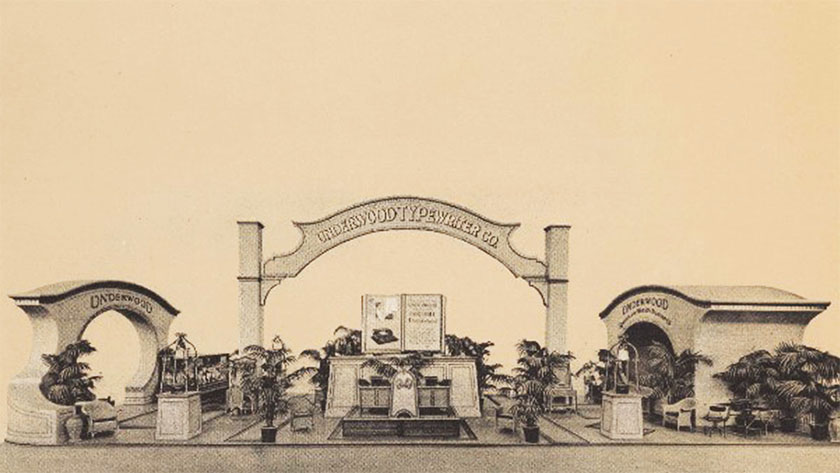
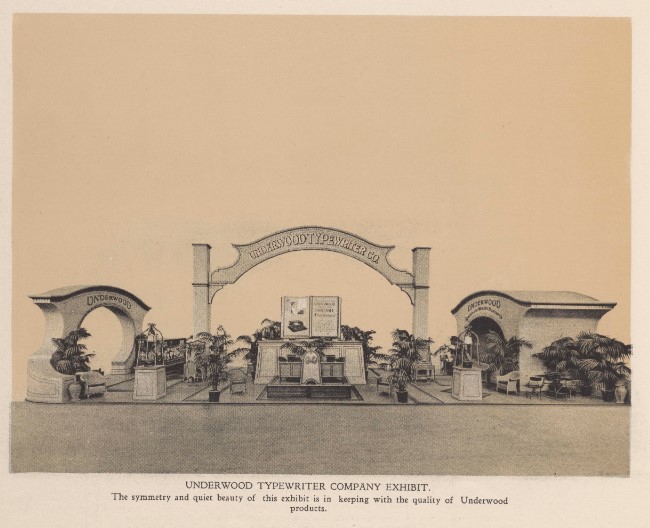
The typewriter was another revolutionary invention on display. Long before personal computers and desktop printers, the typewriter gave businesses and individuals the ability to produce professional-looking documents quickly and efficiently.
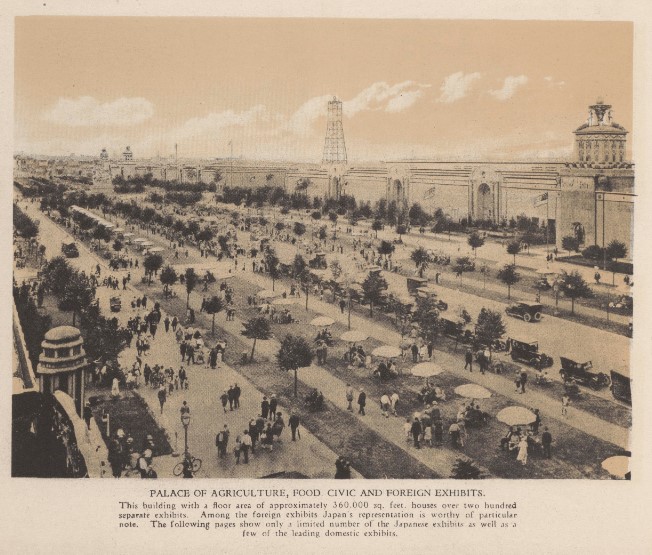
The exposition extended well beyond science and technology. The Palace of Agriculture, Food, Civic and Foreign Exhibits also featured more than 200 displays representing industries, cultures and nations from around the world.
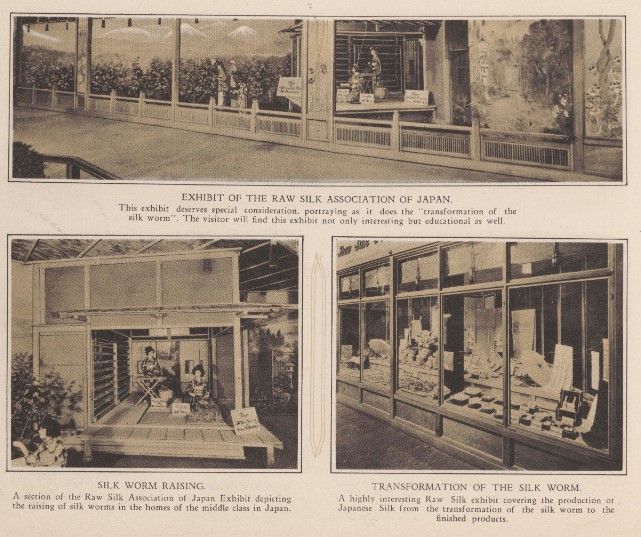
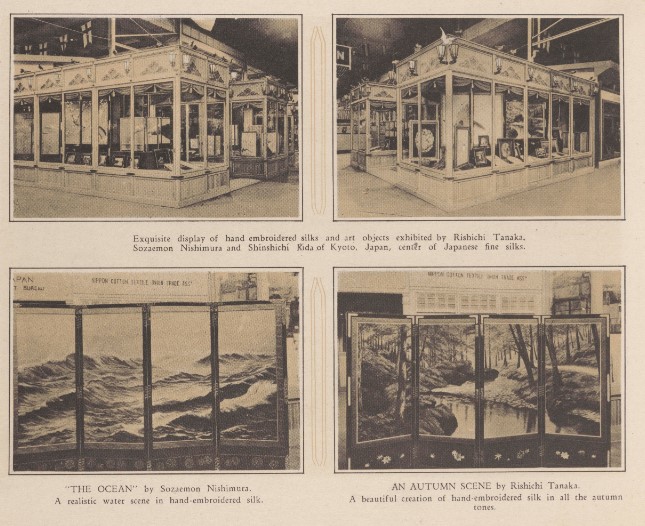
Among the most popular attractions were the Japanese exhibits, which showcased traditional artwork, textiles and other cultural treasures.
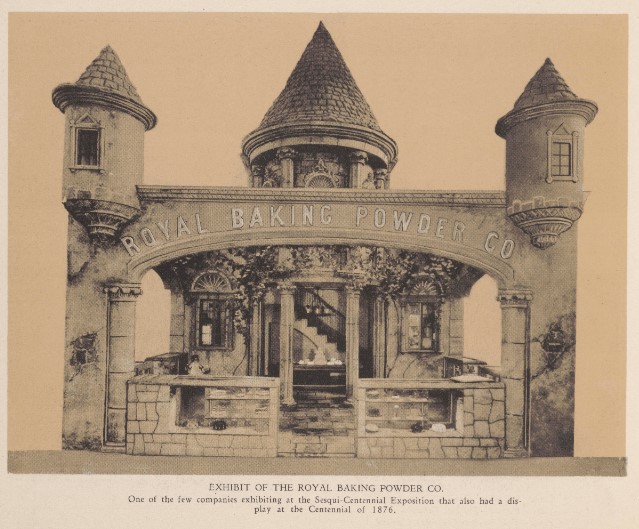
One familiar name visitors encountered was the Royal Baking Powder Company, which had also exhibited at the nation’s Centennial Exposition in 1876. Although the company would cease to exist as an independent business after merging with other firms in 1929, its presence reflected the growing influence of nationally recognized consumer brands.
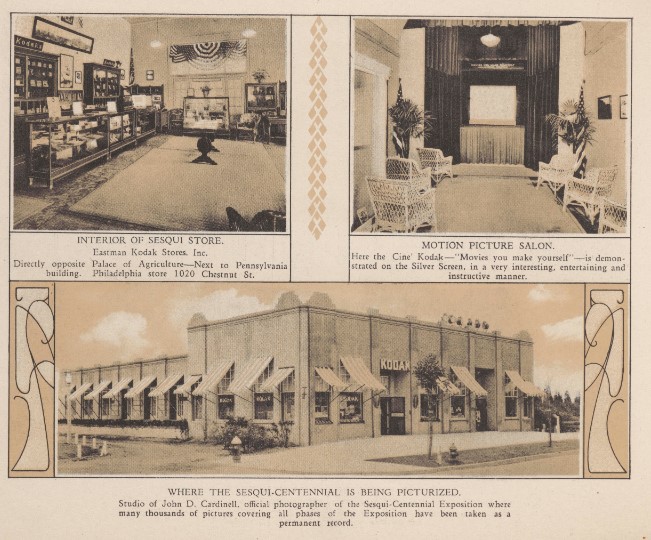
Photography enthusiasts could also visit Kodak’s exhibit, which included a Motion Picture Salon highlighting one of the era’s fastest-growing technologies.
Delaware’s contributions to American independence were represented as well.
In an October 2024 blog post, Delaware Historical Figures: Caesar Rodney, we highlighted the Delaware delegate whose famous overnight ride helped secure the colony’s vote for independence. After Thomas McKean and George Read split Delaware’s delegation, Rodney rode approximately 80 miles through the night during a thunderstorm to cast the deciding vote in favor of independence.
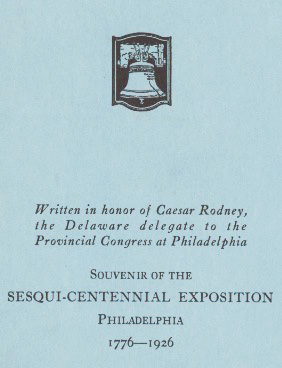
That legendary journey inspired Edward Doyle’s poem Liberty Bell, written for the 1926 Sesquicentennial Exposition in Philadelphia.
As Delaware joins the nation in celebrating America’s 250th anniversary, these historical collections remind us that every generation reflects on the country’s past while imagining its future. Looking back at the Sesquicentennial offers a unique perspective on how Americans once envisioned tomorrow—and invites us to consider what the next 50 or even 100 years of innovation, discovery and progress may hold.