
Open and Affordable Learning Symposium
January 30, 2026
Clayton Hall, University of Delaware
Network Name: Clayton_Guest
Password: greater win steam danger (all lowercase with spaces)
Contact: Annie Johnson – (650)-380-3384
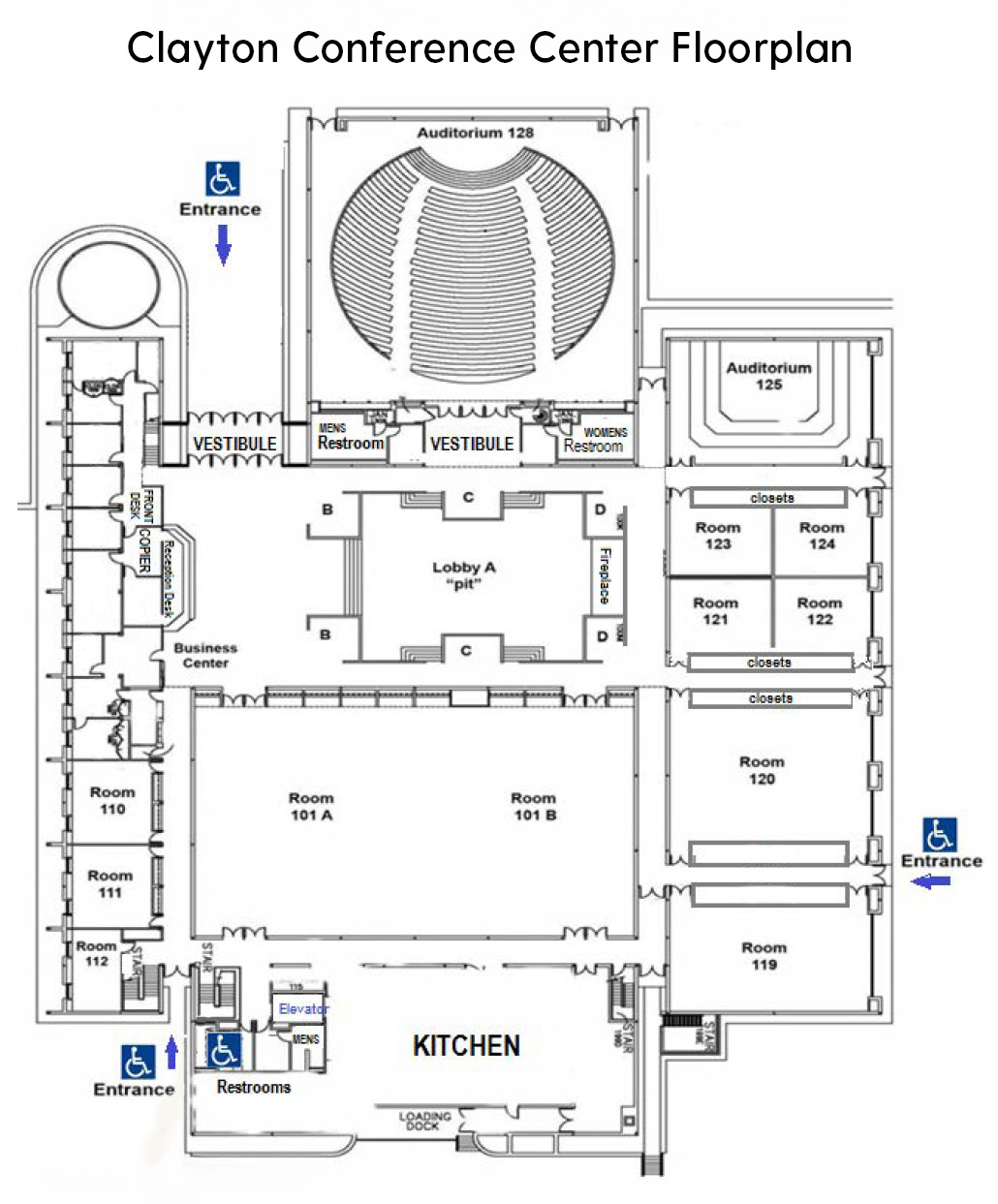
8:30-9:00 a.m. – Lobby
Registration, Breakfast and Networking
9:00-9:30 a.m. – Auditorium 128
Welcome from Annie Johnson, University of Delaware
Remarks from Vice Provost Trevor A. Dawes, University of Delaware
Remarks from Representative Mara Gorman, State of Delaware
9:30-10:30 a.m. – Auditorium 128
Keynote from Jasmine Roberts-Crews, The Ohio State University
Open Education as a Tool for Radical Hope
In this keynote, Professor Jasmine Roberts-Crews explores how open practices, including open access, open pedagogy, and shared knowledge, can serve as acts of resistance and possibility in times of uncertainty and unrest. The presentation examines how openness empowers learners and educators to imagine more just and inclusive futures, reframing education not only as a system to be improved but as a collective practice of care, agency, and radical hope.
1) Open Education 101 – Room 120
Presented by Jeanne Kambara, University of Delaware
If you want the basics, this is the session for you. What is OER? How do I find it? What is the point of Open Education? All of these and more will be answered in Open Education 101, the session that will break down terms, impact, and why Open Education is critical to the future of education.
2) Student Perspectives on the Costs of Course Materials – Auditorium 125
Presented by Molly Olney Zide, University of Delaware, Jaime Kraus, University of Delaware, Nithila Chrisostam, University of Delaware and Abigail Aniunas, University of Delaware
Students are central to all discussions about open education, which is why this session centers their voices. Hear directly from students as they share how the cost of course materials affects their academic experiences and learning outcomes.
1) Affordable Course Content in the K-12 Space – Room 119
Presented by Meg Grotti, Tower Hill School
This session will explore how the core tenets of OER—the ability to retain, reuse, revise, remix, and redistribute—can directly facilitate differentiation and elevate diversity in classroom content. Drawing on current research, we will analyze the primary obstacles K-12 teachers face when exploring or adopting OER and explore the intersection between Generative Artificial Intelligence (AI) and OERs which may alleviate some of these barriers by offering new efficiencies for content adaptation to different learning needs. Attendees will leave with practical strategies that librarians, learning specialists, and curriculum developers can implement to bolster K-12 teacher success and support the effective, equitable use of OER in their schools and districts.
2) Authoring Open Educational Resources – Auditorium 125
Presented by Daniela Viale, Muhlenberg College, Brook Lillehaugen, Haverford College, Sheng Lu, University of Delaware and Annie Johnson, University of Delaware
Open Educational Resources (OER) make it possible for faculty to customize the learning materials they use to suit their specific class. Faculty can remix chapters or sections from existing OER, or they can create something entirely new. This panel will feature three faculty members who have written their own OER. They’ll discuss what led them to create an OER, what support they had to undertake this work, and the feedback they have received from students.
3) Building a Coalition of Support for OER – Room 120
Presented by Nancy O’Neill, Kirwan Center for Academic Innovation, University System of Maryland
What does it take to launch and sustain an Open Educational Resources (OER) initiative? This session will share lessons learned from the statewide Maryland Open Source Textbook Initiative (M.O.S.T.) related to advancing OER adoption and innovation. From forging cross-functional partnerships to aligning with institutional priorities, this session offers actionable insights to help you build momentum and ensure long-term success.
1) Open Pedagogy: Supporting Student-Generated Content – Auditorium 125
Presented by Christina Reihman-Murphy, Penn State University
Faculty-student collaborative open projects can transform teaching, learning, and scholarly practice. Open pedagogy projects may be single assignments or multi-year initiatives and can result in a wide range of public-facing outputs, such as open textbooks, digital editions, Wikipedia articles, blogs, annotations, or public facing research projects. These approaches foster student agency, deepen engagement with course material, and support authentic learning that extends beyond the classroom.
This presentation will introduce the Open Pedagogy Project Roadmap, a modular planning resource organized around the five core elements of open pedagogy projects: Scope, Support, Students, Sharing, and Sustaining. Participants will learn how they can use this project management resource and apply it to their own courses. The session also highlights the pedagogical, logistical, and ethical considerations of supporting student-generated content, and the critical importance of sustaining open, collaborative teaching practices.
2) Gripes to Goals: A Discussion About Real Life Obstacles and Community Building for Open Education Advocates – Room 120
Presented by Kate Martin, Wilmington University and Jennryn Wetzeler, Creative Commons
This session will provide a brief overview of the Creative Commons Certificate training before taking a look at the practical realities of day-to-day work in OER. Facilitated by a seasoned Creative Commons expert and an early career librarian, audience members are invited to join a collective discussion, ranging from the gripes about open education blockers to brainstorming ideas about what might be possible in the future, while remaining grounded in real-life practical applications.
3) LMS Templates as OER for Faculty Course Design – Room 119
Presented by Colleen Kelleman, University of Delaware
As educators embrace Open Educational Resources (OER) to promote accessible and affordable learning, the design of courses within the Learning Management System (LMS) becomes essential to student success. This session examines how LMS templates, structured for programs, departments, or institutions, can serve as reusable OER to support faculty in building effective courses. Using the UD Canvas Template as an example, the presenter will showcase design elements like consistent organization, clear navigation, and integrated instructional support that enhance teaching efficiency and the student experience. Participants will explore practical strategies for using templates to improve accessibility, usability, and pedagogical coherence in their own courses.